Computer Table Solutions for Home and Office Efficiency
A Computer Table is an essential component of any productive workspace, whether at home or in a professional office. In the modern digital era, computers are central to work, study, gaming, and communication. Choosing the right computer table ensures comfort, organization, and long-term durability. A well-designed table not only supports equipment securely but also enhances posture, workflow, and overall efficiency. From compact apartments to corporate offices, the right furniture selection significantly impacts daily performance and comfort.
Today’s work environments demand more than just a flat surface. Users require cable management, storage compartments, keyboard trays, and ergonomic height alignment. A thoughtfully designed computer table integrates these elements seamlessly while complementing interior décor. Investing in a durable and functional unit creates a workspace that promotes focus and reduces clutter.
Why a Computer Table Is Essential for Productivity
A dedicated computer table creates a structured environment specifically designed for digital tasks. Unlike multipurpose desks, a computer-focused design accommodates monitors, CPUs, laptops, printers, and accessories without overcrowding. This organized setup reduces distractions and enhances workflow efficiency.
A premium Computer Table provides stability and ergonomic support, which are crucial for long working hours. Proper height alignment helps maintain correct posture, minimizing strain on the neck, shoulders, and back. Additionally, integrated storage compartments keep documents and devices within easy reach.
Without a designated workspace, productivity may decline due to clutter and discomfort. Investing in a specialized computer table ensures better time management and improved concentration.
Key Features to Look for in a Computer Table
Selecting the right computer table requires evaluating several functional and structural features.
Ergonomic Height and Design
Ergonomics is one of the most important considerations. The table height should allow the monitor to align with eye level while keeping wrists comfortable on the keyboard. Adjustable models offer flexibility for different users.
Storage and Shelving Options
Built-in drawers, shelves, and CPU compartments enhance organization. These features help separate accessories, files, and electronic devices efficiently.
Cable Management System
Modern tables often include cable management holes or concealed pathways. This feature prevents tangled wires and maintains a clean workspace appearance.
Material Durability
Common materials include:
- Solid wood for strength and classic appeal
- Engineered wood for affordability and versatility
- Metal frames for industrial durability
- Glass tops for contemporary aesthetics
Each material serves different functional and stylistic purposes.
Types of Computer Tables for Different Needs
Computer tables are available in various configurations to accommodate diverse workspace requirements.
Compact Computer Table
Designed for small rooms or apartments, compact tables maximize functionality within limited space. They are ideal for students or remote workers with minimal equipment.
L-Shaped Computer Table
L-shaped designs provide extended surface area, making them suitable for multitasking professionals. They fit well in corners, optimizing room layout.
Gaming Computer Table
Gaming tables focus on enhanced durability and larger surfaces to accommodate multiple monitors and gaming accessories. They often feature strong frames and cable management systems.
Wall-Mounted Computer Table
Wall-mounted options save floor space and create a minimalist look. These are suitable for compact home offices or studio apartments.
Choosing the right configuration depends on space availability, equipment requirements, and intended usage.
Space Planning and Placement
Strategic placement of a computer table enhances both comfort and efficiency. Ideally, the table should be positioned in a well-lit area with minimal glare on the screen. Natural light from the side reduces eye strain while maintaining screen visibility.
Allow adequate walking space around the table to prevent congestion. For shared offices, ensure sufficient separation between workstations to maintain privacy and focus.
Proper space planning improves workflow and prevents unnecessary adjustments after installation.
Comparison of Popular Computer Table Materials
| Feature | Solid Wood | Engineered Wood | Metal Frame | Glass Top |
|---|---|---|---|---|
| Durability | High | Moderate | Very High | Moderate |
| Maintenance | Moderate | Low | Low | Moderate |
| Aesthetic Appeal | Classic | Versatile | Modern | Contemporary |
| Cost | Premium | Affordable | Mid-Range | Mid-Range |
| Weight Capacity | High | Moderate | High | Moderate |
This comparison helps align material selection with long-term durability and budget considerations.
Benefits of a High-Quality Computer Table
Investing in a well-constructed computer table provides several long-term advantages:
- Enhanced productivity
- Improved posture and comfort
- Organized workspace
- Reduced cable clutter
- Long-term durability
A strong and stable surface prevents wobbling, protecting expensive electronic devices. Quality construction ensures that the table withstands daily usage without structural compromise.
A reliable Computer Table supports both professional tasks and personal activities, offering versatility and efficiency.
Design Trends in Modern Computer Tables
Contemporary computer table designs emphasize simplicity and functionality. Minimalist frames with clean lines dominate modern interiors. Neutral finishes such as walnut, black, white, and grey are widely preferred for their adaptability.
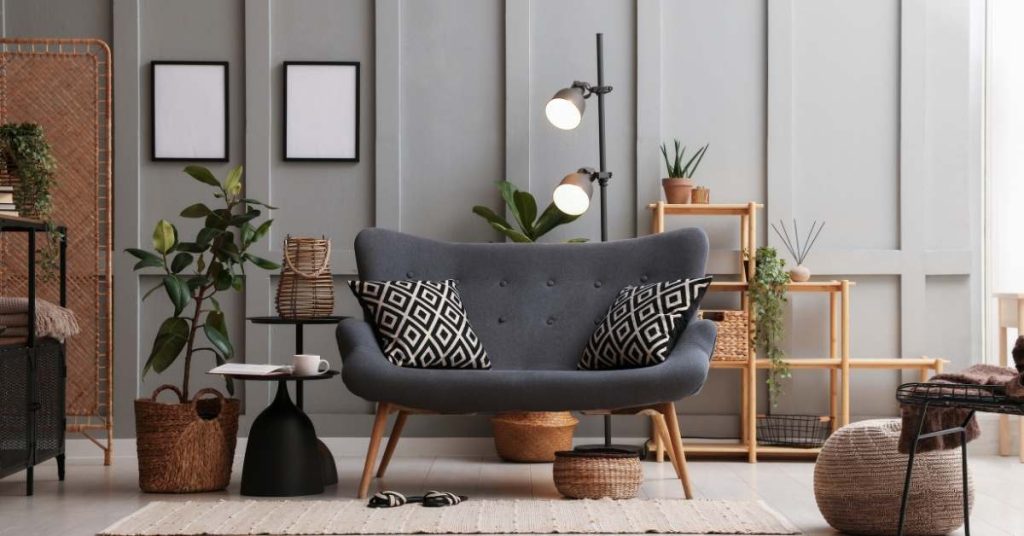
Industrial-style tables combining wood and metal are gaining popularity in urban settings. Adjustable standing desks are also trending, allowing users to alternate between sitting and standing positions for improved health.
Compact multifunctional tables that integrate storage cabinets or bookshelf units are ideal for space-conscious environments. These evolving trends reflect the demand for furniture that adapts to changing work habits.
Storage Optimization Strategies
Maintaining an organized computer table enhances workflow efficiency. Consider the following practical strategies:
- Use drawer organizers for small accessories
- Keep frequently used devices within arm’s reach
- Secure cables using clips or channels
- Avoid overloading shelves beyond capacity
Organized storage reduces time spent searching for items and improves overall focus.
Maintenance and Longevity
Proper maintenance extends the lifespan of a computer table. Regular dusting prevents surface buildup and protects electronic devices. Use gentle cleaning solutions suitable for the specific material.
Avoid placing excessive weight beyond recommended capacity. Periodically check screws, bolts, and joints to ensure structural stability. Prevent moisture exposure, especially for wooden surfaces.
Consistent care preserves both functionality and aesthetic appeal, making the investment worthwhile.
Integrating Computer Tables with Interior Design
A computer table should complement surrounding furniture such as chairs, shelves, and cabinets. Matching finishes create visual harmony, while contrasting textures can add character.
Ergonomic chairs paired with properly aligned tables improve comfort during extended work sessions. Adding task lighting enhances visibility and reduces eye strain.
In home settings, blending the computer table with bedroom or living room décor maintains consistency. In office environments, uniform workstation designs reinforce professionalism and organization.
Choosing the Right Computer Table for Your Needs
Before making a purchase, evaluate room dimensions, equipment size, and usage frequency. Measure available space accurately to avoid overcrowding. Consider future expansion needs, especially if additional monitors or devices may be added later.
Balance durability, aesthetics, and budget to ensure long-term satisfaction. A thoughtfully selected computer table enhances both productivity and interior organization.
By prioritizing ergonomic design, structural stability, and smart storage features, you can create a workspace that supports efficiency and comfort. A high-quality computer table becomes an essential foundation for modern digital tasks, ensuring reliability and organization for years to come.